- Welcome to Pulse Robot
- +86-23-63207381
- +8613677602178
- sales@pusirobot.com

Stable Power Solution for Winding/Unwinding Equipment
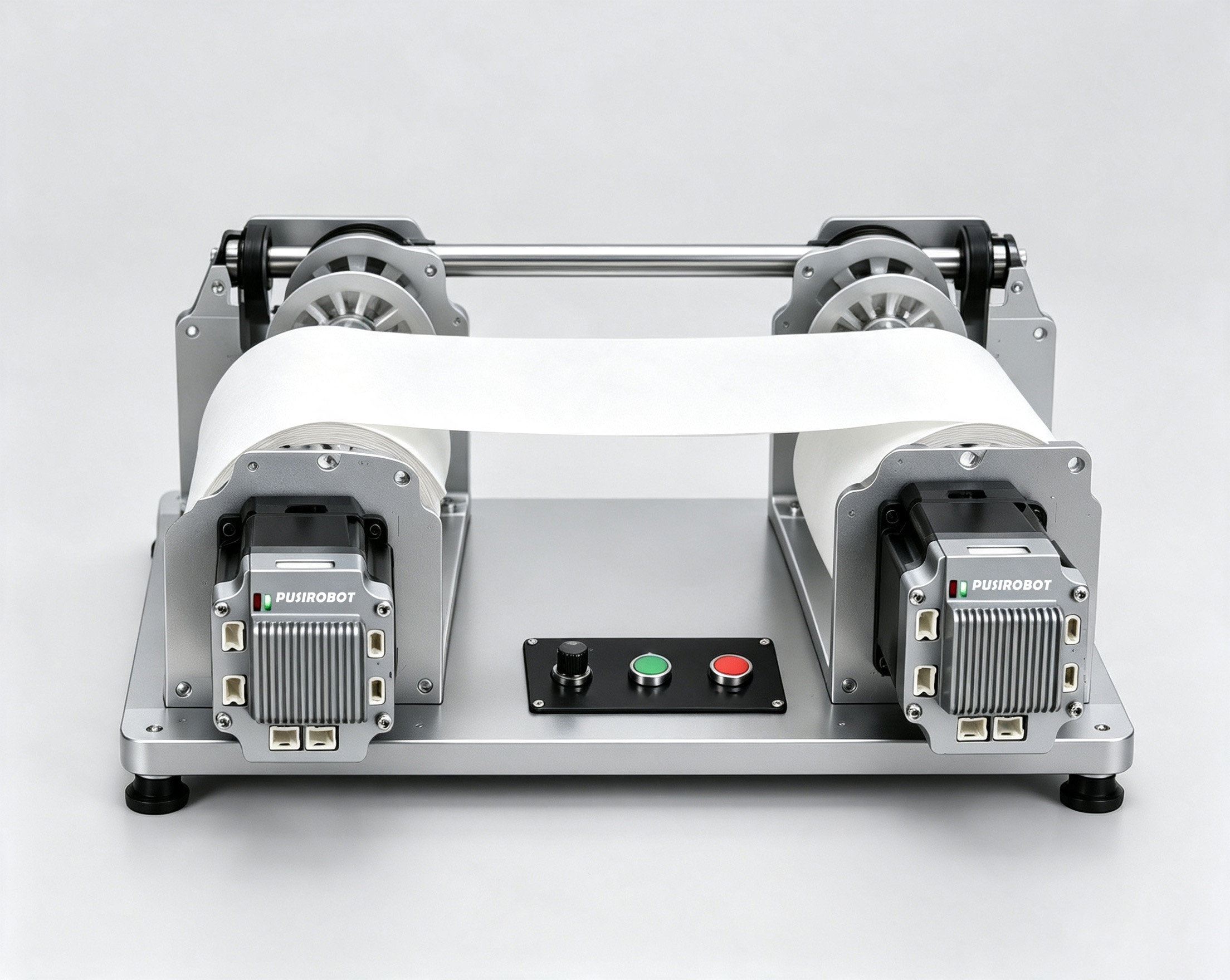
In continuous processing lines for fabrics, films, labels, wires, and similar materials, the winding and unwinding units play a critical role in material transport and tension maintenance.
As the roll diameter changes constantly during operation, the system faces ongoing challenges:
For equipment that runs continuously, stability often matters more than chasing top speed.
As the roll diameter changes constantly during operation, the system faces ongoing challenges:
- At the start, the roll is small and light, so the motor runs at high speed.
- As material builds up, the roll diameter grows and the drum inertia increases.
- With higher loads, the motor must deliver greater driving torque.
- Insufficient power can lead to step loss, unexpected stops, and tension fluctuations.
For equipment that runs continuously, stability often matters more than chasing top speed.
1. Limitations of Traditional Stepper Motor Solutions
Conventional stepper motors typically run at a fixed set speed. Under light loads, they can meet high‑speed requirements. But during winding, as:
- roll diameter increases
- friction resistance changes
- material tension rises, the actual torque demanded keeps growing—while the motor’s output capability at high speed declines.
This often results in:
speed drop → torque shortage → step loss or even stall.
For continuous processing of fabrics, films, etc., an unexpected stop not only hurts productivity but also wastes material.
2. PMC006 Series – High‑Speed, High‑Torque Mode with Automatic Load Adaptation
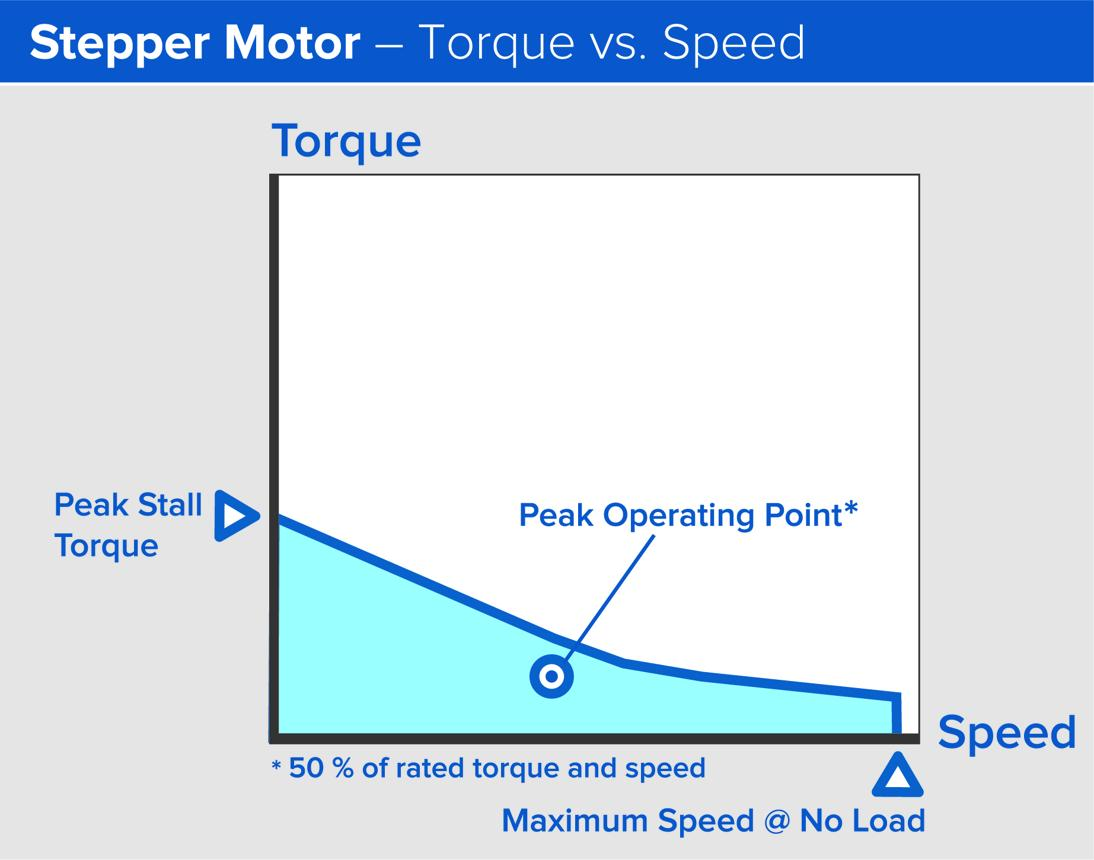
Designed for the unique conditions of winding/unwinding, this mode optimizes the motor control strategy to give the system stronger load‑handling ability.
This is not a simple slowdown, but a dynamic balance between speed and torque capability.
The result:
High speed at light load, high torque at heavy load.
- Under light loads: the motor maintains high speed for efficient material feed.
- As load gradually increases: the system automatically adjusts—reducing speed slightly to free up more output torque, ensuring stable operation.
This is not a simple slowdown, but a dynamic balance between speed and torque capability.
The result:
High speed at light load, high torque at heavy load.
3. From Fixed‑Speed Control to Intelligent Load Adaptation
Traditional winding/unwinding systems often rely on:
- tension sensors,
- external controllers,
- complex tuning algorithms to cope with load changes from varying roll diameters.
The high‑speed, high‑torque integrated stepper motor‑drive, however, embeds drive control and motion algorithms in one unit.
It enhances stability under dynamic load variations without adding mechanical complexity.